
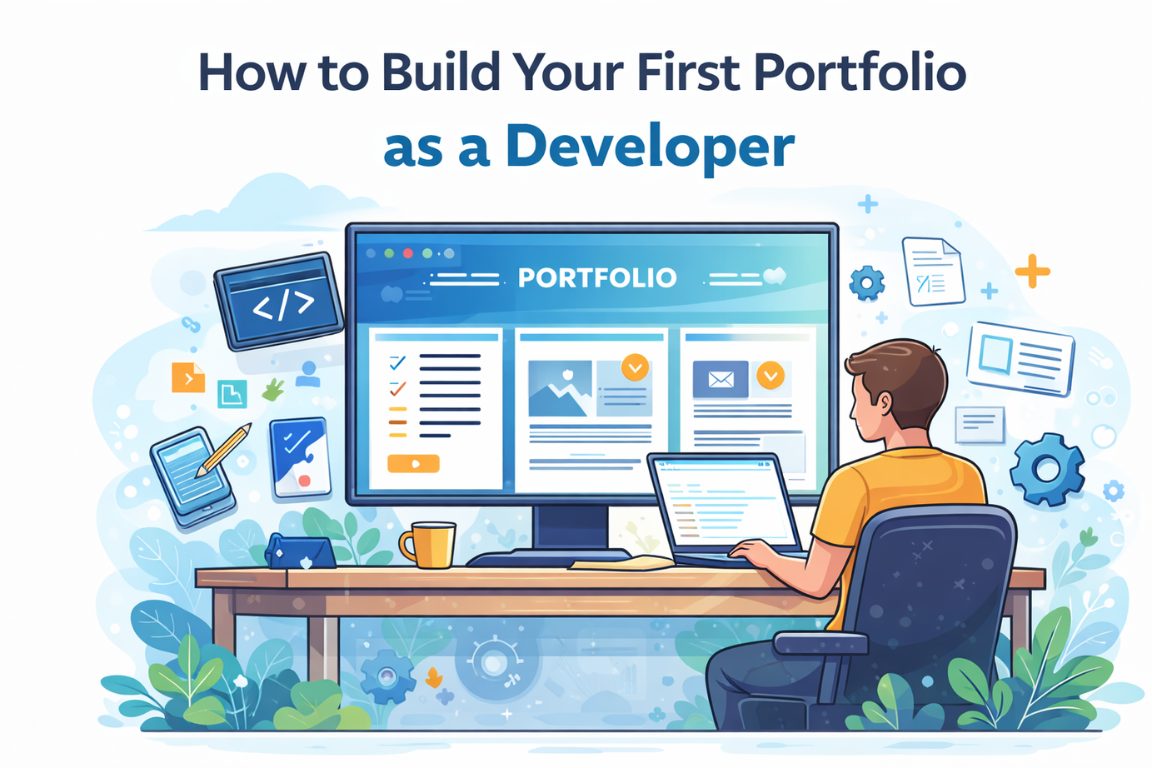
Breaking into the tech industry can feel overwhelming, especially when you’re just starting out as a developer. You might have learned coding languages, built practice projects, and even contributed to some beginner tutorials—but how do you showcase your skills to potential employers or clients? The answer lies in building a solid portfolio. More than just a collection of your work, a portfolio is your professional story, your proof of experience, and often your first impression.
Understand the Purpose of Your Portfolio
Your portfolio is more than just code snippets or links to projects. It’s a platform where you demonstrate your problem-solving ability, creativity, and professionalism. Think of it as your personal brand. When recruiters or clients visit your portfolio, they want to quickly understand what you’re capable of and how you approach development challenges.
Start by setting clear goals. Are you looking to land your first job, freelance gigs, or internships? This will guide the kind of projects you highlight and how you present your work.
Choose a Platform That Fits You
For many developers, GitHub is a natural starting point since it’s widely recognized and easy to use for code hosting. But your portfolio doesn’t have to live only on GitHub. Consider creating a dedicated website or blog where you can combine project showcases, your resume, a brief bio, and even blog posts about what you’re learning.
Platforms like GitHub Pages, Netlify, or even website builders like WordPress, Wix, and Squarespace offer quick ways to publish your portfolio without extensive backend setup. A clean, responsive design ensures your portfolio is easy to navigate on both desktop and mobile devices.
Pick Projects That Showcase Your Skills
It’s tempting to include every project you’ve ever worked on, but quality beats quantity. Choose 3 to 5 projects that highlight different skills or technologies. For example:
- A small web app: like a to-do list or weather app, showing front-end skills with JavaScript frameworks.
- A backend API: that demonstrates knowledge in server-side languages such as Node.js, Python, or Ruby.
- An open-source contribution: which reveals your ability to collaborate and contribute to larger codebases.
Make sure each project includes a clear description, the problem it solves, the technologies used, and your role or contributions. Adding screenshots or live demos makes your portfolio more engaging.
Write Clear, Concise Project Descriptions
Technical details matter, but so does clarity. Avoid overwhelming readers with jargon. Instead, write in a way that both technical and non-technical visitors can understand why your project matters.
For example, instead of just listing “Built with React and Redux,” say, “Created an interactive expense tracker using React and Redux to help users easily monitor their spending habits.” This explains the what and the why, providing context.
Showcase Your Workflow and Problem-Solving Process
Employers don’t just want to know what you built—they want to see how you think. Consider including a blog section or brief case studies where you walk visitors through how you tackled a tricky bug, refactored a piece of code for better performance, or decided which technology to use for a project.
This transparency adds depth to your portfolio and demonstrates your growth mindset and communication skills.
Keep Your Code Clean and Documented
Before you share your projects, ensure your code is tidy and well-commented. Poorly formatted or undocumented code can create doubts about your professionalism. Use meaningful variable names, organize your files logically, and include README files that explain setup instructions and project purpose.
These small touches show attention to detail and respect for anyone reviewing your work.
Include a Strong About Section and Contact Info
Your portfolio should include a short biography that highlights your passion for development, your background, and what you’re looking for. Keep it personable but professional. Adding a friendly photo or avatar can make your site more memorable.
Make it easy for visitors to get in touch. Include links to your LinkedIn, Twitter, GitHub, or an email address. If you’re active in developer communities or forums, mention those as well to emphasize your engagement in the field.
Keep Updating Regularly
Your first portfolio is just the beginning. As you learn new skills, complete new projects, or land freelance clients, update your portfolio to reflect your latest work. This shows continuous growth and keeps your portfolio relevant.
Final Thoughts
Building your first developer portfolio is a rewarding step toward turning your skills into opportunities. Focus on clear presentation, thoughtful project selection, and showcasing your unique approach to solving problems. Don’t worry about perfection—commit to consistent improvement and your portfolio will naturally grow with you.
Ready to get started? Choose your first project, set up a simple site, and share your work with the world. Your next opportunity could be just one click away.