

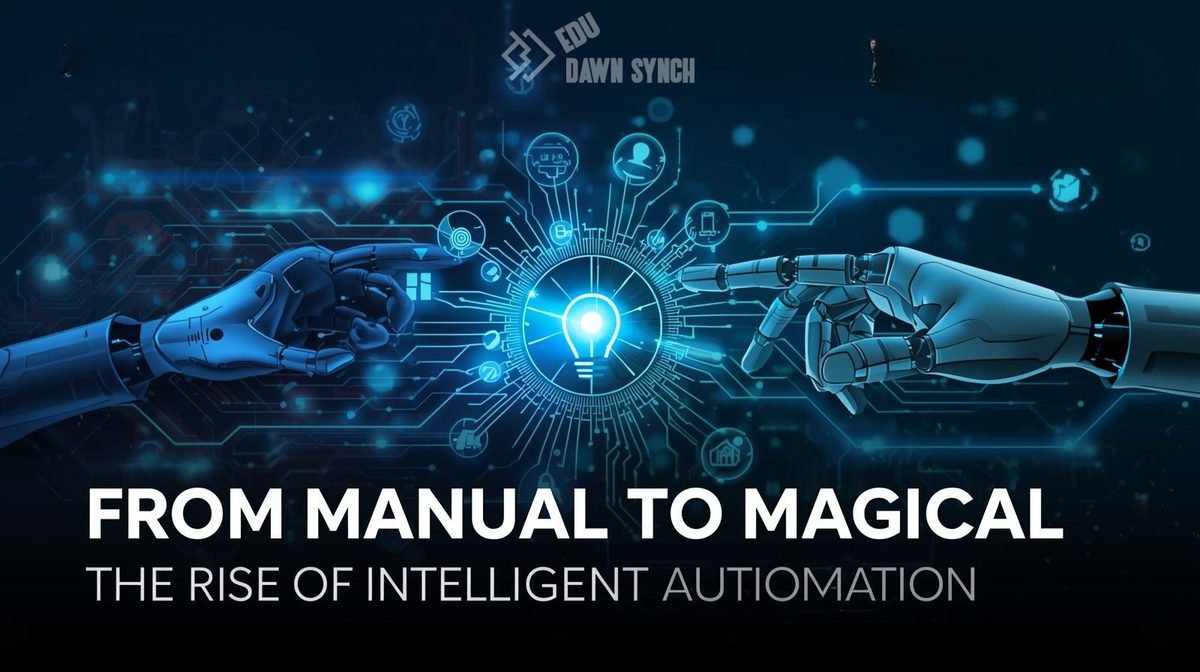
Imagine a world where tedious tasks complete themselves, where systems anticipate your next move, and where businesses grow faster with less effort. This isn’t science fiction—it’s intelligent automation, and it’s changing how we live and work every day.
From repetitive data entry to complex decision-making processes, intelligent automation is turning the routine into the remarkable. It blends artificial intelligence with automation tools to streamline workflows, enhance accuracy, and free up human creativity for higher-value tasks.
Understanding Intelligent Automation
At its core, intelligent automation (IA) combines traditional automation technologies—like robotic process automation (RPA)—with more advanced capabilities such as machine learning, natural language processing (NLP), and AI-powered decision-making. This allows systems not just to follow rules, but to learn, adapt, and improve over time.
For example, rather than a basic chatbot offering pre-set answers, an intelligent virtual assistant can understand context, interpret user intent, and respond with nuanced, helpful answers—all while learning from each interaction.
From Time-Consuming to Time-Saving
Let’s say you work in a finance department and part of your role includes reviewing invoices and sending out payment approvals. In the past, this meant manually checking each invoice against purchase orders—a task that could take hours every week. With intelligent automation, the system can instantly scan incoming invoices using optical character recognition (OCR), validate them against existing records, and flag any anomalies—all in seconds.
This isn’t just faster. It’s also more reliable. Errors due to fatigue or oversight are reduced, and employees can focus on more strategic initiatives like financial planning or vendor negotiations.
Practical Benefits for Businesses
Organizations across industries are leveraging intelligent automation to drive performance:
- Customer Service: AI-driven chatbots and virtual agents can handle common support queries 24/7, improving response time and customer satisfaction.
- Healthcare: Automated systems can assist with patient scheduling, insurance verification, and even preliminary diagnosis through AI analysis, allowing medical staff to concentrate on patient care.
- Retail: Smart inventory systems can predict stock shortages, optimize supply chains, and personalize marketing efforts based on customer behaviors.
Empowering the Workforce, Not Replacing It
One of the most common myths around automation is the fear of job loss. While IA does change how tasks are performed, it often enhances roles rather than eliminates them. By offloading time-consuming administrative work, employees gain more room for collaboration, creativity, and innovation.
Take HR departments as another example. Resume screening is a repetitive process, but intelligent automation can scan applications, match qualified candidates, and even schedule interviews. HR professionals are then freed up to focus on building relationships and refining recruitment strategies.
Steps to Getting Started
Transitioning to intelligent automation doesn’t require reinventing your entire operation overnight. Here are some starting points:
- Identify repetitive tasks: Look for processes that involve high volume and rule-based decisions.
- Start small: Pilot a specific workflow, such as automated email responses or invoice processing.
- Build cross-functional teams: Combine tech expertise with business insights to align automation goals with real needs.
- Measure and evolve: Track performance improvements and user feedback to refine your approach over time.
Looking Ahead
As technologies evolve, intelligent automation will continue to become more accessible and more powerful. We’re already seeing its impact ripple across sectors—from faster loan approvals in banking to automated content moderation on social media platforms.
It’s not just about convenience; it’s about transforming the way organizations operate, enabling faster decisions, better customer experiences, and a more empowered workforce.
Start Your Journey
The shift from manual to magical is well underway, and forward-thinking businesses are already stepping into this new era. Whether you’re a team leader, an entrepreneur, or an IT specialist, now is the time to explore the potential of intelligent automation in your own workflows.
Reflect on your daily tasks: what could be automated? What could you do with that extra time? The possibilities are only growing—why not be part of the transformation?