

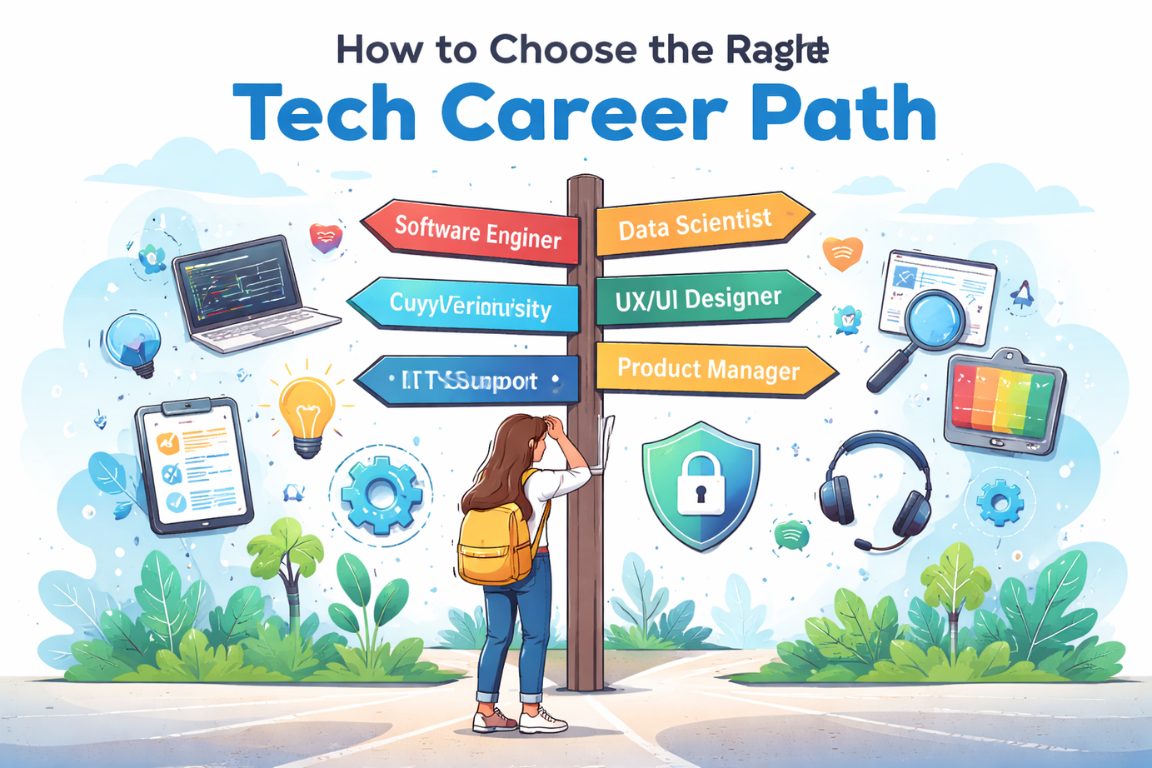
Choosing a career in technology can feel both exciting and overwhelming. The tech industry is vast, with countless specializations, rapid innovation, and evolving job roles. Whether you’re starting fresh or thinking about a career change, selecting the right tech path is crucial for long-term success and satisfaction. But how do you make that choice without getting lost in jargon or trends? This article breaks down practical steps to help you find a tech career that fits your skills, interests, and goals.
Understand Your Interests and Strengths
Before diving into specific roles, take a moment to reflect on what genuinely excites you about technology. Do you enjoy solving puzzles and debugging code, or are you more interested in designing user experiences? Are you fascinated by data and analytics, or do you prefer managing systems and networks? Knowing your strengths and preferences narrows down potential career paths.
For example, someone who loves problem-solving and logic might thrive in software development, while a person with strong communication skills and a knack for understanding user behavior could excel in product management or UX design. Self-assessment tools like personality tests or skills quizzes can provide useful insights and help highlight areas to explore.
Research Popular Tech Roles and Their Responsibilities
The tech industry includes many roles, each with unique tasks and skillsets. Here are common career paths to consider:
- Software Developer: Writing code to create applications or systems. Requires strong programming skills and logical thinking.
- Data Scientist/Analyst: Analyzing large datasets to provide insights and support decisions. Involves statistics, coding, and visualization tools.
- Cybersecurity Specialist: Protecting systems and data from threats. Focuses on network security, threat detection, and risk management.
- UX/UI Designer: Designing intuitive and engaging user interfaces. Combines creativity with user research and design principles.
- DevOps Engineer: Streamlining development and operations to speed up software delivery. Requires knowledge of automation, cloud platforms, and system administration.
- IT Support: Troubleshooting hardware or software issues and assisting users. Emphasizes communication and problem-solving.
Understanding the typical day-to-day tasks separates what you like from what you don’t. Many job listings and online resources share detailed role descriptions and required skills to guide your research.
Consider Industry Growth and Job Outlook
When picking a career, it’s wise to consider future demand. Fields like artificial intelligence, cloud computing, and cybersecurity show strong growth projections, meaning more jobs and opportunities.
For example, according to labor statistics, cybersecurity specialists are expected to see faster-than-average job growth as businesses focus on protecting data. Meanwhile, AI-related roles are rapidly expanding across sectors from healthcare to finance. On the other hand, some traditional IT roles may face automation or less demand over time.
Aligning your career choice with growing industries can help secure a stable and rewarding path.
Evaluate Educational and Skill Requirements
Tech roles have varying entry points. Some require degrees in computer science, software engineering, or related fields, while others allow self-taught skills or coding bootcamps.
For instance, becoming a data scientist often demands a strong background in statistics and programming, typically from a formal degree or advanced training. Conversely, web development has opened doors for many through online courses and practical projects without a traditional degree.
Assess your willingness and resources to pursue the necessary learning. Remember, ongoing education is a constant in tech—upskilling keeps your career adaptable and competitive.
Gain Hands-On Experience and Network
One of the best ways to choose the right path is by trying it out. Participate in coding challenges, build small projects, join internships, or volunteer for tech roles in your community. Real experience reveals what you enjoy and where your strengths lie.
Networking also plays a huge role. Attend local meetups, tech conferences, or online forums to connect with professionals. Ask about their roles, challenges, and advice. Their insights provide a realistic view and may open doors to mentorship or job opportunities.
Reflect on Work Environment and Career Goals
Tech careers vary not only by role but by work setting. Some jobs demand long hours and high stress, such as startup software development, while others offer a better work-life balance, like certain IT support roles.
Also think about your long-term goals: Do you want to lead projects? Specialize deeply? Transition into management? Certain paths lend themselves better to these ambitions. For example, software developers often move into technical leadership or product management.
Summary
Choosing the right tech career path starts with understanding yourself—your interests, skills, and goals. From there, research roles, market demand, and educational needs. Gaining hands-on experience and building a network will deepen your understanding and open opportunities. Remember, career journeys in tech are rarely linear; stay curious and flexible.
Ready to explore your tech future? Start by listing your interests and researching one new role today. Your perfect tech career path is waiting to be discovered.